

If you have been searching for Mohs surgery, basal cell skin cancer surgery, facial skin cancer treatment, or even the commonly searched term “moze surgery”, you are probably trying to understand what the procedure actually involves.
In simple terms, Mohs combines surgery with microscopic examination of the tissue margins. Rather than removing a predetermined amount of skin and waiting for a pathology result later, the surgeon checks each layer during the procedure and removes more tissue only where cancer remains.
For people in Auckland who have been diagnosed with skin cancer, understanding how the process works can make an unfamiliar procedure much easier to understand.
What does Mohs mean?
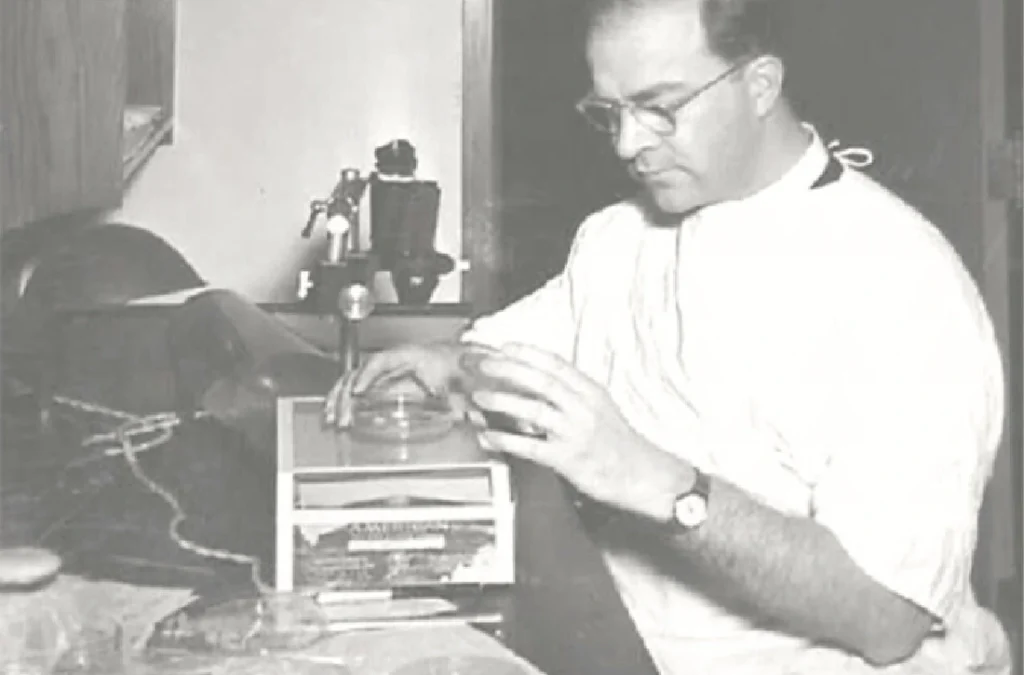
The name comes from Dr Frederic Mohs, who developed the principles of the technique in the 1930s. With conventional surgical excision, the visible skin cancer is removed along with a planned margin of surrounding tissue. The specimen is then examined to determine whether the cancer has been completely removed.
With Mohs, the removed tissue is processed and examined during the procedure. If cancer is found at a particular margin, another thin layer can be removed specifically from that area and checked again. This approach is particularly useful when preserving healthy skin is important, such as around the nose, eyelids, lips and other areas of the face.
Mohs may also be considered for certain recurrent skin cancers, cancers with less clearly defined borders, or tumours with other features that make precise margin control particularly important.
If you want to understand how Mohs compares with other approaches, Skintel’s guide to skin cancer removal explains the different surgical and non-surgical options available.
How does Mohs surgery work?
The easiest way to understand Mohs surgery is to think of it as a carefully controlled process of removing and checking tissue.
The Mohs process, step by step
- The area is treated with local anaesthetic. The surgeon then removes the visible skin cancer along with a thin layer of surrounding tissue.
- The removed tissue is carefully prepared and mapped so that each part of the specimen can be matched back to the corresponding area of the surgical site. The tissue is processed in the on-site laboratory, where very thin sections are prepared for examination under a microscope.
- The surgeon examines the tissue margins under the microscope to determine whether any cancer cells remain. This is a key part of Mohs: the surgeon can see exactly where any remaining cancer is located rather than simply waiting for a later pathology report.
- If cancer cells are identified, another thin layer is removed from the corresponding area. The important point is that another layer is not necessarily removed from the entire wound. It is targeted to the specific location where cancer remains.
- The process continues layer by layer until the examined margins show no remaining cancer cells.
- Once the surgeon has confirmed that the cancer has been removed, the wound can be repaired. Depending on its size, location and other factors, this may involve stitches, a skin flap, a skin graft or, in selected cases, allowing the wound to heal naturally.
For more detail on what happens on the day, you can read Skintel’s dedicated Mohs surgery treatment guide.
You can also view the process like this:
Skin cancer
↓
First thin layer removed
↓
Microscope examination
↓
Cancer remains? → Remove another targeted layer
↓
Microscope examination
↓
Cancer remains? → Repeat
↓
No cancer detected
↓
Wound closed or reconstructed
The defining feature of Mohs surgery is that microscopic margin assessment which happens on-site on the day of the operation.
Why is Mohs used for facial skin cancer?
The face contains many structures where preserving healthy tissue can be particularly important. A skin cancer near the nose, eyelid, ear or lip may be close to structures that are important for both appearance and function.
This is one reason Mohs is commonly considered for selected facial skin cancer cases. By examining tissue margins during surgery and taking additional tissue only where cancer remains, the technique is designed to preserve as much unaffected tissue as reasonably possible while treating the cancer.
However, not every facial skin cancer requires Mohs. The appropriate treatment depends on factors such as the type of skin cancer, its size and location, whether it has returned, its microscopic characteristics and the individual circumstances of the patient.
This is why basal cell skin cancer surgery is not a one-size-fits-all process. A specialist dermatologist can assess the diagnosis and explain whether standard excision, Mohs or another treatment is appropriate.
Is Mohs only used for basal cell carcinoma?
No.
Mohs is most commonly associated with basal cell carcinoma (BCC) and squamous cell carcinoma (SCC), particularly when the cancer has features or a location that make precise margin control important.
Basal cell skin cancer surgery may therefore involve Mohs, conventional excision or another treatment, depending on the individual cancer.
For example, a low-risk BCC on an area where preserving tissue is less important may be treated differently from a BCC located close to the nose or eyelid.
Skintel’s guide to basal cell carcinoma explains more about BCC, including how different treatment approaches may be used.
It is also important to know that a diagnosis of skin cancer does not automatically mean you need surgery. Some superficial facial skin cancer can be treated with non-surgical approaches depending on the diagnosis and clinical circumstances.
How is Mohs Surgery different from normal skin cancer surgery?
The main difference is how much surgical margin is taken and how it is are assessed. With standard excision, the surgeon removes the skin cancer with a planned margin of surrounding tissue. The specimen is then sent for pathology assessment.
With Mohs, a much smaller margin is taken and the tissue is examined during the operation. If cancer is found at a particular margin, the surgeon can remove another layer specifically from that area and examine it again.
This makes Mohs a margin-controlled technique. For someone researching basal cell skin cancer surgery, this distinction is often the most useful thing to understand: Mohs is not simply about removing the visible tumour. It combines surgical removal with immediate microscopic examination of the margins.
How long does Mohs surgery take?
There is no single time frame because every case is different. The procedure involves several stages: removing a layer, processing the tissue, examining it under the microscope and, if necessary, removing another layer.
If the first layer is clear, there may be no need for another removal. If cancer remains in one area, another targeted layer is taken.
At Skintel, Mohs patients come in for a day. The procedure time varies depending on the complexity of the case. Some patients might be there for 3 hours and others for the entire day. The length of the day does not necessarily mean that several hours are spent continuously operating. Much of the time can involve processing and examining the tissue between stages. Once the surgeon has confirmed that the margins are clear, the wound can be repaired.
What happens after Mohs surgery?
Once the cancer has been removed, the surgeon assesses the wound and determines the most appropriate way to close or reconstruct it. Some wounds can be closed directly with stitches. Others may require a flap or skin graft, particularly when there is not enough surrounding skin to close the area without excessive tension.
Recovery varies according to the size and location of the wound and the type of repair required. Your surgeon will provide individual aftercare instructions and explain what to expect during healing. A scar is possible after any skin cancer surgery.
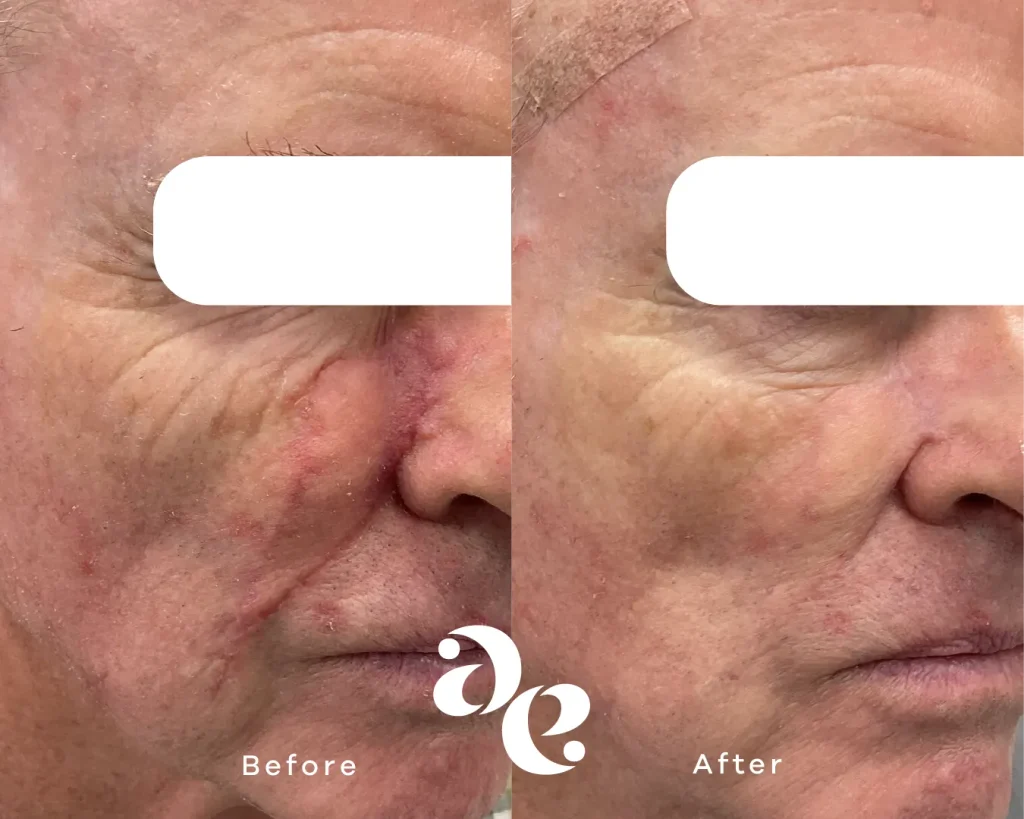
The aim of careful surgical planning is to balance complete cancer removal with preservation of healthy tissue and an appropriate reconstruction. Skintel’s sister clinic, Anue, specialises in supporting skin health. If scar visibility is a concern, their skin specialists can recommend treatments and care designed to support the appearance of the scar once it has healed.
What if you have not been diagnosed with skin cancer?
You do not need to wait for a diagnosis before seeing a dermatologist about a concerning lesion. A new or changing mole, persistent sore, unusual patch or other skin lesion may warrant professional assessment.
A dermatologist may use dermoscopy to examine a lesion in greater detail. If something appears suspicious, a biopsy or another type of investigation may be recommended to establish a diagnosis. Skintel provides full body skin checks in Auckland, with specialist dermatologists assessing the skin and discussing appropriate next steps.
Dermoscopy is also an important part of assessing suspicious lesions. You can learn more about dermoscopy at Skintel and how it is used to examine skin lesions. Not every suspicious-looking lesion requires removal. The aim of a specialist assessment is to establish what is actually happening before deciding whether treatment is necessary.
What is “moze surgery”?
If you searched for “moze surgery”, you are likely looking for Mohs surgery. “Moze surgery” is a spelling variation people sometimes use when searching for the procedure, but the correct medical term is Mohs surgery.
The technique is named after Dr Frederic Mohs, so you will usually see it written as “Mohs”. Whether you searched for moze surgery, Mohs or basal cell skin cancer surgery, the important thing is understanding what the procedure involves and why it may be recommended for a particular skin cancer.
Frequently asked questions
How is Mohs different from normal surgery?
- Mohs combines surgical removal with microscopic examination of the tissue margins during the procedure. If cancer remains at a particular margin, another targeted layer can be removed and examined. With standard excision, the surgeon removes the cancer with a planned larger margin and the specimen is generally sent for pathology assessment after the procedure.
How long does Mohs surgery take?
- The length varies depending on the size and location of the cancer, how many layers are required and the complexity of the wound repair. The procedure can take several hours because each layer needs to be processed and examined before the surgeon knows whether another layer is necessary.
Is Mohs used for facial skin cancer?
- It can be. Mohs is commonly considered for selected skin cancers in cosmetically and functionally important areas of the face, including around the nose, eyes and lips. However, the most appropriate treatment depends on the individual diagnosis and characteristics of the cancer.
Does every basal cell carcinoma need Mohs?
- No. There are several treatment options for basal cell skin cancer. The appropriate approach depends on factors including the type, size, location and characteristics of the cancer. Mohs can be particularly useful for selected cancers where precise margin control and preservation of surrounding tissue are important.
What if I am unsure whether a spot is skin cancer?
- A skin cancer dermatologist can assess a concerning lesion in a clinical examination and, where appropriate do a biopsy. If you have a new, changing or concerning lesion, a skin check can help determine whether it needs monitoring, investigation or treatment.
Understanding your options
Mohs is best understood as a precise, margin-controlled approach to skin cancer surgery. Rather than removing a predetermined area and waiting for a later result, the surgeon removes tissue in stages and checks each layer under the microscope during the procedure.
For selected facial skin cancer, particularly those in important or visible areas, this approach can help balance cancer removal with preservation of healthy surrounding tissue.
If you have been diagnosed with skin cancer, or you have a lesion you are concerned about, Skintel’s specialist dermatologists in Auckland can assess your skin and explain the appropriate treatment options.
Explore Mohs surgery at Skintel or skin cancer removal options, or book a consultation if you would like a specialist assessment.
